Will AI Replace Human Web Designers?
Artificial Intelligence is transforming almost every industry, and web design is no exception. From automated website builders to AI-generated layouts, businesses can now create websites faster and cheaper than ever before. Platforms powered by AI can suggest color schemes, generate written content, optimise layouts, and even create entire websites in minutes. With such rapid progress, many people are asking the same question: Will AI replace human web designers?
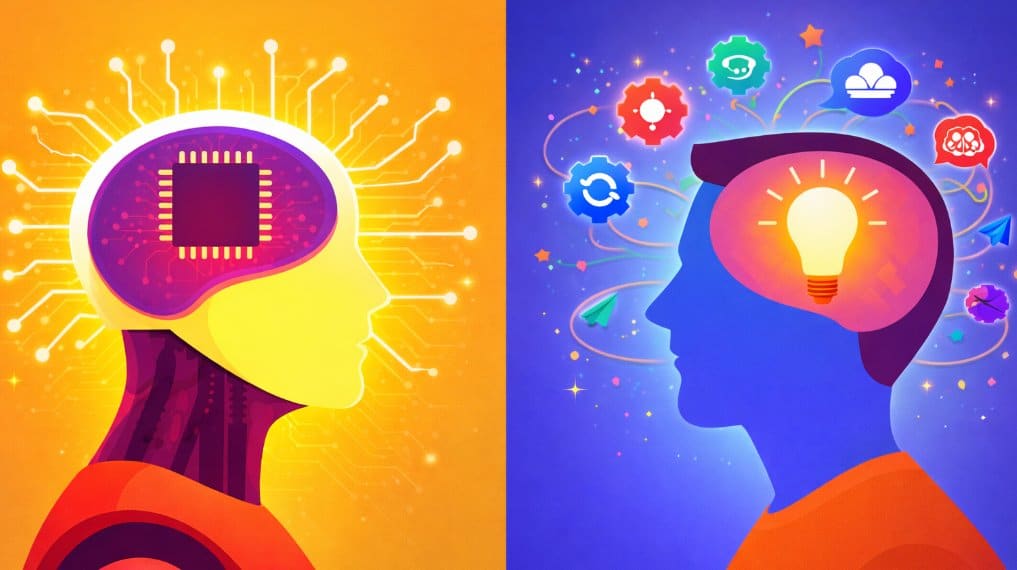
The short answer is no — at least not completely. While AI is becoming a powerful tool in web development and design, it still lacks the creativity, emotional intelligence, and strategic thinking that human designers bring to a project. In reality, AI is more likely to change the role of web designers rather than eliminate them altogether.
The Rise of AI in Web Design
AI has already become part of modern web design workflows. Website builders such as Wix ADI and other automated platforms allow users to answer a few questions and instantly generate a functioning website. AI can analyse user behaviour, suggest layouts, create personalised experiences, and automate repetitive tasks such as image optimisation or coding simple design elements.
For small businesses with limited budgets, these tools can be appealing. They offer speed, affordability, and convenience. Instead of hiring a designer, a business owner can create a basic site themselves within hours.
AI can also help professional designers by reducing manual work. Tasks that once took days — such as resizing images, creating wireframes, or testing layouts — can now be completed much faster. This allows designers to focus on higher-level creative work.
However, despite these advantages, AI still has major limitations.
Why AI Cannot Fully Replace Human Designers
A website is more than just a collection of pages and visuals. It is often the first impression of a business and plays a huge role in branding, trust, and customer engagement. Human designers understand these emotional and strategic aspects in ways AI simply cannot.
1. Creativity and Original Thinking
AI works by analysing existing data and patterns. It creates designs based on what already exists online. Human designers, on the other hand, can think outside the box and create something truly original.
Great design often comes from human experiences, emotions, and cultural understanding. A designer can interpret a brand’s personality and turn it into a unique digital experience. AI may generate something functional, but it often lacks authenticity and originality.
2. Understanding Human Emotion
Successful websites connect emotionally with users. Designers carefully choose colours, layouts, typography, and imagery to create a feeling or response. Human designers understand psychology, storytelling, and user behaviour on a deeper level.
AI can analyse data, but it does not genuinely understand emotions or human connection. It cannot fully grasp what makes people trust a brand, feel inspired, or engage with content emotionally.
3. Strategy and Problem Solving
Web design is not just about appearance — it is about solving problems. Businesses have different goals, audiences, and challenges. A professional designer asks questions, understands objectives, and creates tailored solutions.
AI tools often rely on templates and automation. While this works for simple websites, complex businesses usually require custom strategies. Human designers can adapt, innovate, and make decisions based on experience and communication with clients.
4. The Importance of Collaboration
One of the most valuable parts of working with a designer is collaboration. Clients want someone who listens to their ideas, understands their vision, and offers guidance throughout the project.
AI cannot build relationships or truly communicate in a meaningful human way. Businesses often need reassurance, discussion, and creative partnership — something only people can provide.
The Future of Web Design: Humans and AI Working Together
Rather than replacing designers, AI is likely to become a tool that enhances their work. The future of web design will probably involve collaboration between human creativity and AI efficiency.
Designers who embrace AI can work faster, streamline repetitive tasks, and focus more on innovation and user experience. AI can handle technical automation while humans provide creativity, strategy, and emotional intelligence.
This shift is similar to how calculators changed mathematics or how Photoshop changed graphic design. Technology did not replace professionals — it simply changed how they worked.
Why the Human Touch Still Matters
In a world increasingly driven by automation, the “human touch” becomes even more valuable. Customers are becoming more aware of generic content and template-based websites. Businesses that want to stand out need authenticity, personality, and real human creativity.
A website should reflect the identity of a business, not just follow trends generated by algorithms. Human designers understand storytelling, branding, and the subtle details that make a website memorable.
People connect with people — not machines. That connection is especially important for businesses that rely on trust, emotion, and customer relationships.
How 459design Brings Back the Human Touch
This is where 459design makes a difference. While many agencies rely heavily on automation and generic templates, 459design focuses on creating websites with personality, creativity, and genuine human understanding.
At 459design, every project starts with listening. Instead of simply generating a website through AI tools, the team works closely with clients to understand their business, goals, and audience. This personalised approach ensures that every website feels authentic and unique.
Custom Creativity
459design believes that no two businesses are the same. Rather than producing cookie-cutter designs, they create tailored digital experiences that reflect each brand’s identity. This human-led creativity helps businesses stand out in a crowded online world.
Real Human Collaboration
Working with 459design means having real conversations with real people. Clients receive guidance, support, and creative insight throughout the process. This level of collaboration cannot be replicated by automated systems.
Balancing Technology with Creativity
459design understands the value of AI and modern tools, but they use technology to enhance human creativity — not replace it. By combining innovative tools with professional design expertise, they deliver websites that are both efficient and emotionally engaging.
Building Trust Through Design
A professionally designed website creates credibility and trust. 459design focuses on user experience, storytelling, and visual impact to help businesses build stronger relationships with their audience.
Conclusion
AI is undoubtedly changing the web design industry. It can automate tasks, speed up development, and make basic website creation more accessible. However, AI still lacks the emotional intelligence, creativity, and strategic thinking that human designers provide.
The future is not about AI replacing web designers — it is about designers using AI as a tool to create even better experiences. Human creativity, collaboration, and authenticity will remain essential in web design for years to come.
As businesses look for ways to stand out online, the value of the human touch becomes more important than ever. Companies like 459design demonstrate that while technology can improve efficiency, truly meaningful design still comes from people who understand people.