AI Design vs. Professional Design: Why the Human Touch Still Wins
In recent years, artificial intelligence has rapidly entered the world of design. From sophisticated logo generators to dynamic website builders and comprehensive branding systems, AI promises unparalleled speed and efficiency. This technological advancement has sparked a debate: can machines truly replicate the nuanced creativity and strategic thinking of human designers?
The Allure of AI in Design
The appeal of AI-driven design tools is undeniable. They offer immediate results, often at a fraction of the cost associated with traditional design agencies. Businesses, especially startups and those with limited budgets, are drawn to the prospect of quickly generating visual assets, conducting market research, and even personalizing user experiences through AI. The ability to iterate rapidly and automate repetitive tasks presents a compelling case for its adoption.
Where AI Falls Short: The Human Element
Despite its capabilities, AI encounters significant limitations when it comes to tasks requiring deep understanding, empathy, and truly innovative problem-solving. AI operates on algorithms and existing data, making it proficient at pattern recognition and replication, but less adept at abstract thought or genuine creativity that deviates from established norms.
The Absence of Emotional Intelligence
Effective design often transcends aesthetics; it involves understanding human emotions, cultural nuances, and telling a compelling brand story. AI, by its very nature, lacks emotional intelligence and the ability to forge the kind of empathetic connection a human designer can establish with a client and their target audience. This gap can lead to designs that are technically sound but emotionally sterile.
Beyond Templates: True Customization and Strategy
While AI can generate countless variations based on templates, it struggles to develop truly unique, bespoke solutions that respond to complex, evolving business challenges. Human designers bring strategic insight, a critical understanding of market dynamics, and the ability to anticipate future trends—qualities that go far beyond what an algorithm can currently provide.
The Irreplaceable Value of Professional Designers
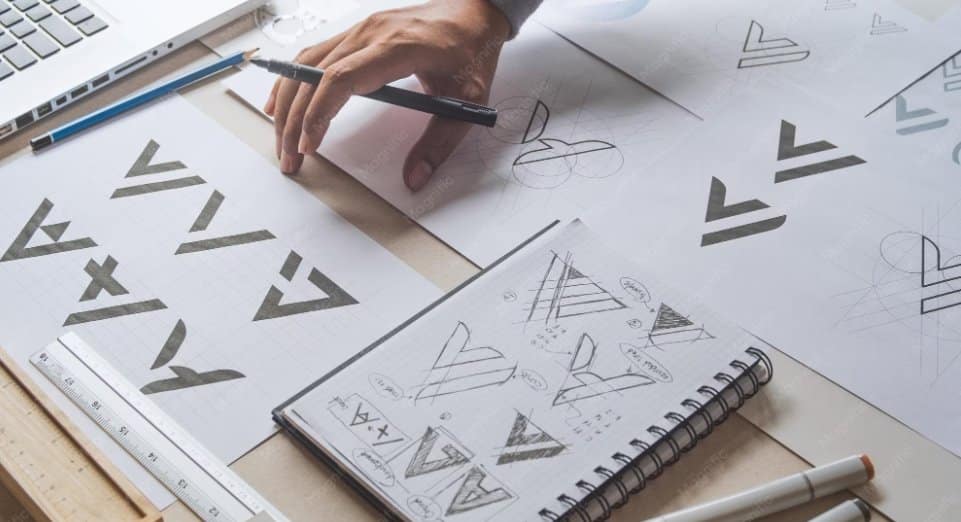
Professional designers offer more than just an output; they provide a process. This includes in-depth consultations, strategic brainstorming, iterative refinement based on qualitative feedback, and a holistic approach to branding that considers every touchpoint. Their ability to interpret ambiguous briefs, understand underlying motivations, and adapt to unforeseen challenges is a cornerstone of their value.
Conclusion: A Future for Collaboration, Not Replacement
Ultimately, the rise of AI in design should be viewed as an opportunity for collaboration rather than a threat of replacement. AI tools can be invaluable assistants, streamlining tedious tasks and providing data-driven insights. However, the vision, empathy, and strategic ingenuity that define the human touch remain indispensable. It is this unique blend of intuition and intelligence that ensures design not only looks good but genuinely connects, communicates, and converts.